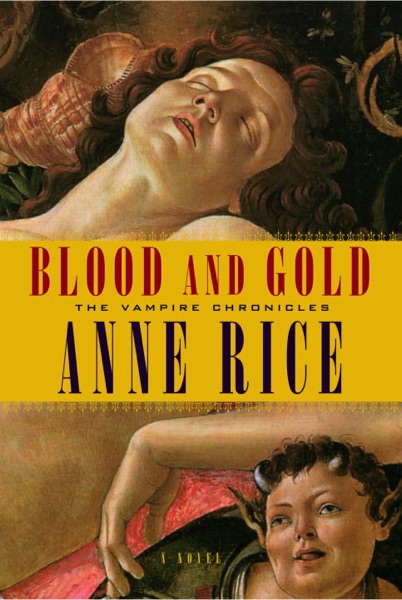
Do I need to read the earlier books first?
Yes, reading the earlier volumes first is advisable. This is the fourth Vampire Chronicles novel, and Lestat’s relationships from earlier volumes carry considerable weight.
 collected

Fiction · Novel · Gothic Fiction · Horror
About 9 h 15 min · at 30 minutes a day, about 19 days
Estimated from the page count of this edition. Dense books can take longer than the estimate.
Lonely and weary of immortality, the vampire Lestat accepts an offer from Raglan James, a psychic who claims they can temporarily exchange bodies. His mortal friend David Talbot, leader of the occult order the Talamasca, warns against trusting James, but Lestat wants sunlight, food and human intimacy again. The bargain puts his supernatural body and its powers in another man's hands.
Lestat narrates this fourth Vampire Chronicles novel in a sensuous, self-questioning voice, lingering over desire, mortality and religious belief. The gothic horror takes time to reach the body exchange, and relationships from earlier volumes carry considerable weight. Explicit sex, sexual assault and suicidal despair are part of the story.
Collected’s assessment, not reader ratings. Complexity runs from 1 (least demanding) to 5 (most demanding).
Yes, reading the earlier volumes first is advisable. This is the fourth Vampire Chronicles novel, and Lestat’s relationships from earlier volumes carry considerable weight.
The ornate, lyrical prose calls for attention, and Lestat spends time questioning desire, mortality and religious belief. The linear narrative offers a straightforward structure amid those reflections.
No, the gothic horror takes time to reach the body exchange. Lestat’s sensuous, self-questioning narration gives considerable space to his desires and reflections.
Strong sexual content, including explicit sex and sexual assault, appears alongside suicidal despair. Violence and abuse are also strong, within a dark, unsettling gothic story.
Lestat’s wish to experience sunlight, food and human intimacy again brings mortality and identity to the foreground. His bargain also raises questions about power, morality, guilt and isolation.
464 pages in the Ballantine Books 1997 paperback edition.
Ballantine Books · 1997 · Paperback. ISBN 9780345419637.
About 9 hours 15 minutes at 50 pages an hour, based on the 464-page Ballantine Books edition. Dense books can take longer.
Anne Rice wrote Gothic fiction on a deliberately expansive scale, moving between supernatural sagas, historical novels, erotic retellings, and biblical fiction. Her characteristic prose is ornate and atmospheric, attentive to rooms, bodies, clothing, and the charged exchanges through which power changes hands. She often lets her immortals narrate themselves at length, so that confession becomes self-invention and history remains open to competing versions. Interview with the Vampire gives Louis’s moral anguish the shape of a two-century testimony, while The Vampire Lestat answers him with a more defiant autobiography that ranges through theaters, covens, and family memories. Rice repeatedly returns to appetite, guilt, spiritual belief, and relationships in which dependence cannot be separated from domination. These concerns also govern The Witching Hour, where a neurosurgeon’s return to New Orleans opens into a centuries-long family history bound to a seductive and destructive spirit. Even outside her vampire fiction, as in The Claiming of Sleeping Beauty, she makes ritual, submission, and unequal desire central to the narrative structure.