
Do I need to read the earlier books first?
No, it can be read independently, even though it is the eighth novel in The Vampire Chronicles. Marius’s long personal history revisits earlier events from his perspective.
 collected
Fiction · Novel · Fantasy · Horror
About 11 h 30 min · at 30 minutes a day, about 24 days
Estimated from the page count of this edition. Dense books can take longer than the estimate.
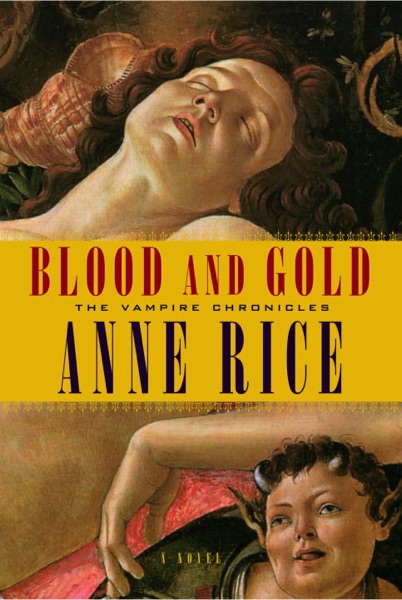
Awakened after centuries in the ice, the vampire Thorne asks Marius de Romanus to tell his history. Born in ancient Rome and forcibly transformed by druids, Marius becomes guardian of Akasha and Enkil, whose survival sustains the vampire race. His recollections follow Rome’s decline into Renaissance Italy, where painting and his attachments to Pandora, Bianca and the young Armand complicate his responsibility to keep the ancient pair safe.
Richly descriptive and solemn, the eighth Vampire Chronicles novel unfolds as a long personal history, revisiting earlier events from Marius’s perspective, though it can be read independently. Its Gothic beauty accompanies bloody violence and abuse, including a sexual relationship between an adult and a minor.
Collected’s assessment, not reader ratings. Complexity runs from 1 (least demanding) to 5 (most demanding).
No, it can be read independently, even though it is the eighth novel in The Vampire Chronicles. Marius’s long personal history revisits earlier events from his perspective.
Somewhat. The ornate, lyrical prose and richly descriptive passages call for attention, while the measured pace lets Marius’s personal history unfold slowly. His first-person recollections sit within a framing story involving the vampire Thorne.
More reflective, with a solemn, melancholic tone and a measured pace. Marius’s recollections emphasize atmosphere, painting, personal attachments and his responsibility to protect the ancient vampires Akasha and Enkil.
Strong bloody violence, abuse and sexual content accompany the Gothic atmosphere, including a sexual relationship between an adult and a minor. These serious subjects sit alongside the richly descriptive account of Marius’s history.
About 576 pages in the Ballantine Books 2002 edition.
Ballantine Books · 2002 · Mass Market Paperback. ISBN 9780345409324.
About 11 hours 30 minutes at 50 pages an hour, based on the 576-page Ballantine Books edition. Dense books can take longer.
Anne Rice wrote Gothic fiction on a deliberately expansive scale, moving between supernatural sagas, historical novels, erotic retellings, and biblical fiction. Her characteristic prose is ornate and atmospheric, attentive to rooms, bodies, clothing, and the charged exchanges through which power changes hands. She often lets her immortals narrate themselves at length, so that confession becomes self-invention and history remains open to competing versions. Interview with the Vampire gives Louis’s moral anguish the shape of a two-century testimony, while The Vampire Lestat answers him with a more defiant autobiography that ranges through theaters, covens, and family memories. Rice repeatedly returns to appetite, guilt, spiritual belief, and relationships in which dependence cannot be separated from domination. These concerns also govern The Witching Hour, where a neurosurgeon’s return to New Orleans opens into a centuries-long family history bound to a seductive and destructive spirit. Even outside her vampire fiction, as in The Claiming of Sleeping Beauty, she makes ritual, submission, and unequal desire central to the narrative structure.


