
Is it hard to read?
Not really. The prose is direct, and the story follows a linear path. The main demand comes from lengthy explanations of symbols, Masonic traditions, and secret history woven into the mystery.
 collected
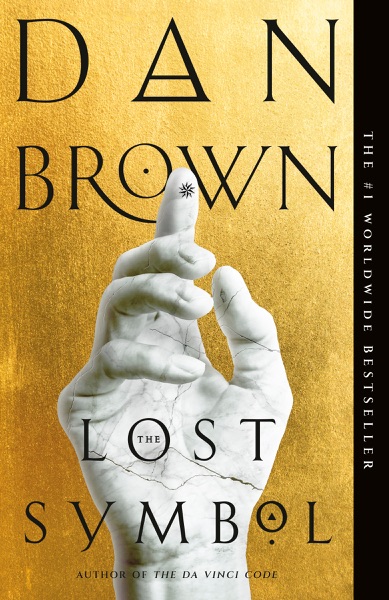
Fiction · Novel · Mystery & Thriller · Adventure
About 12 h 30 min · at 30 minutes a day, about 25 days
Estimated from the page count of this edition. Dense books can take longer than the estimate.
In present-day Washington, D.C., Harvard symbologist Robert Langdon arrives at the Capitol for a lecture and finds an object marked with five symbols. His mentor, Peter Solomon, a philanthropist and longtime Freemason, has been kidnapped, and the symbols offer a route into ancient knowledge that his captor demands. To save Solomon, Langdon follows clues through the capital’s monuments and government buildings, tracing Masonic traditions beneath familiar landmarks.
The third Robert Langdon thriller alternates urgent pursuit and elaborate puzzles with lengthy explanations of symbols and secret history. The pace repeatedly pauses for these lessons, so the chase doubles as a speculative tour of Washington. Kidnapping and gruesome physical violence figure prominently.
Collected’s assessment, not reader ratings. Complexity runs from 1 (least demanding) to 5 (most demanding).
Not really. The prose is direct, and the story follows a linear path. The main demand comes from lengthy explanations of symbols, Masonic traditions, and secret history woven into the mystery.
No. Urgent pursuit and elaborate puzzles alternate with lengthy lessons about symbols and secret history. The chase repeatedly pauses, becoming a speculative tour of Washington’s monuments and government buildings.
Strong violence and abuse are prominent, with kidnapping and gruesome physical violence central to the danger surrounding Peter Solomon. The tone is dark, tense, and suspenseful.
Masonic traditions are central to the mystery. Langdon follows symbolic clues through Washington’s landmarks while trying to save his kidnapped mentor, a longtime Freemason, from a captor demanding ancient knowledge.
About 624 pages in the Anchor Books 2012 edition. The pursuit repeatedly pauses for lengthy explanations of symbols and secret history.
Anchor Books · 2012 · Paperback. ISBN 9780307950680.
1. Angels & Demons; 2. The Da Vinci Code; 2. The Da Vinci Code; 3. The Lost Symbol; 4. Inferno; 5. Origin; 6. The Secret of Secrets.
About 12 hours 30 minutes at 50 pages an hour, based on the 624-page Anchor Books edition. Dense books can take longer.
Dan Brown writes plot-driven thrillers built as compressed treasure hunts, often unfolding within a day as characters decode symbols under immediate threat. His method is architectural. Direct, dialogue-driven prose, rapid changes of location, and successive revelations keep the investigation moving, while explanatory passages turn art, religion, science, and institutional history into clues. Cryptography and conspiracy recur, as does Robert Langdon, a symbologist whose expertise makes museums, monuments, and sacred spaces legible as puzzle systems. The Da Vinci Code sends Langdon and cryptologist Sophie Neveu through clues concealed in Leonardo’s art toward an alternative Christian history. In The Lost Symbol, Washington’s chambers and monuments serve a similar function for a Masonic mystery, with symbolic interpretation repeatedly interrupted by pursuit and violence. Brown also applies this machinery outside the Langdon novels. Deception Point begins with the authentication of an apparent extraterrestrial discovery and rapidly entangles scientific evidence with electoral politics, covert force, and family allegiance. His novels favor momentum and accumulation, linking each solved cipher to a larger and more dangerous claim.


