About 14 h 30 min · at 30 minutes a day, about 29 days
Estimated from the page count of this edition. Dense books can take longer than the estimate.
About the book
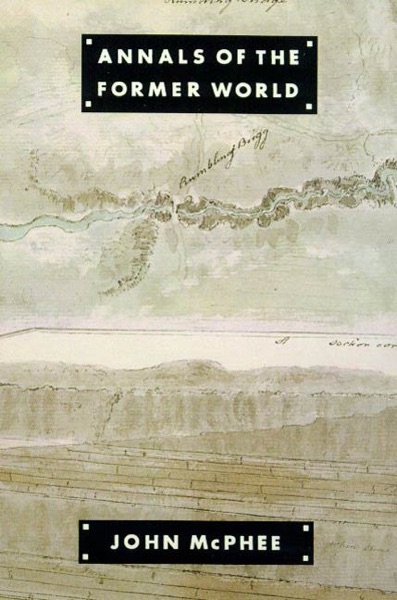
John McPhee travels across the United States with geologists, reading the continent's past in roadcuts, mountain ranges and layers of rock. From New Jersey through Wyoming to California, present-day landscapes lead into ancient seas and the movement of tectonic plates. He follows how scientists reconstruct those vanished worlds from physical evidence, including their disagreements over what the rocks reveal.
Reader notes
Part geological explanation, part travel narrative and portraiture, the book alternates technical passages with conversations in the field. The language can be vivid and conversational even when the science becomes demanding. Its journeys follow geological ideas, so the route through the material is more winding than a straightforward coast-to-coast itinerary.
How it reads
Writing style
Descriptive · Essayistic · Lyrical · Technical
Tone
Cerebral · Earnest · Reflective
Structure
Braided · Episodic · Linked collection
Collection
Linked
Driven by
Character · Ideas · Information
Point of view
First person
Setting
Fortieth parallel · North America
Evidence style
Journalistic reporting · Personal experience · Research synthesis
Practical orientation
Reflective
Nonfiction form
Narrative nonfiction · Popular science
Reading complexity
Writing
3 / 5
Ideas
4 / 5
Structure
3 / 5
Background knowledge
1 / 5
About this profile
Collected’s assessment, not reader ratings. Complexity runs from 1 (least demanding) to 5 (most demanding).
Writing
How much attention the sentences and language require.
Ideas
How much interpretation or abstract reasoning the book asks of you.
Structure
How much you need to keep track of speakers, timelines and connections.
Background knowledge
Prior knowledge needed to follow the book, beyond what it explains.
Emotional intensity
Emotional pressure, from gentle (1) to intense (5). Separate from difficulty.
Themes
Knowledge and truth
Nature and environment
Work
Content notes
Violence
None
Sexual content
None
Swearing
None
Substance use
None
Abuse
None
Self-harm or suicide
None
Standing and awards
Highly regarded
Pulitzer Prize for General Nonfiction, 1999
Questions readers ask
Is it hard to read?
Yes, the geological explanations can be demanding, though the language is often vivid and conversational. Technical passages alternate with field conversations and portraits of geologists, giving the scientific ideas a human setting.
Does it read like a travel narrative?
Somewhat. Journeys across the United States connect landscapes with geological history, but the route follows ideas rather than a straightforward coast-to-coast itinerary. The pace is measured, with technical explanations woven into conversations and descriptive passages.
Who is it best suited to?
It suits someone interested in geology who also enjoys travel writing and portraits of people at work. The emphasis is reflective: understanding landscapes, geological ideas and the scientists who interpret physical evidence.
How much does it explore the way scientists think?
Scientists’ interpretations are central: McPhee follows how geologists reconstruct vanished worlds from roadcuts, mountain ranges and rock layers. Their disagreements show how physical evidence can lead to competing accounts of the continent’s past.
How long is it?
720 pages in the Farrar, Straus and Giroux 2000 trade paperback edition.
Which edition is shown here?
Farrar, Straus and Giroux · 2000 · Trade Paperback. ISBN 9780374518738.
How long does it take to read Annals of the Former World?
About 14 hours 30 minutes at 50 pages an hour, based on the 720-page Farrar, Straus and Giroux edition. Dense books can take longer.
About the author
John McPhee
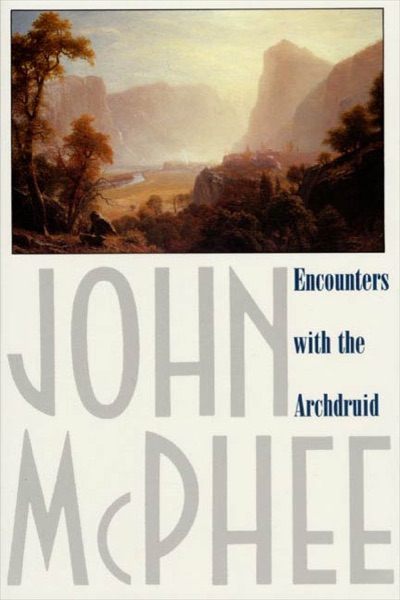
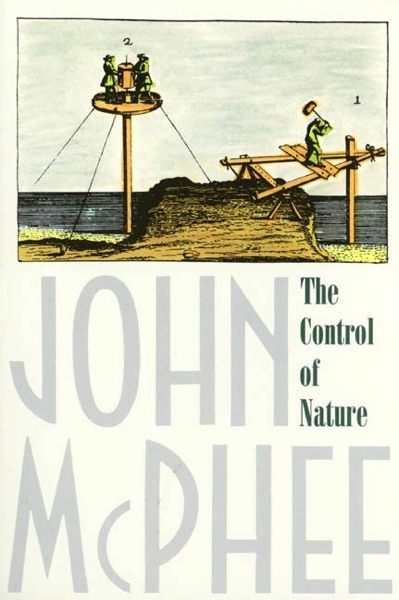
John McPhee is an American writer and a pioneer of creative nonfiction whose career has joined patient reporting to literary construction. After beginning at Time, he formed a long association with The New Yorker, where much of the material in his books first appeared, and began teaching nonfiction writing at Princeton University in 1975. His subjects range unusually widely: geology, engineering, conservation, commerce, transportation, regional life, and specialized scientific work. What holds this varied body of work together is his method. McPhee spends time with people who possess deep practical knowledge, renders character and place precisely, and builds complex explanations through scenes and journeys. Annals of the Former World turns travel with geologists along Interstate 80 into a continental history, while The Control of Nature examines efforts to contain powerful natural systems. In Encounters with the Archdruid and Coming into the Country, competing ideas about wilderness, development, and settlement emerge through observed encounters rather than authorial display. His prose makes difficult or obscure subjects approachable without simplifying their substance.