Is it hard to read?
Somewhat. Detailed descriptions of mining techniques and grizzly behavior sit alongside arguments over land and government. The measured pace and digressions call for sustained attention, especially during extended conversations.
 collected
Nonfiction · History · Travel · Nature & Environment
About 9 h · at 30 minutes a day, about 18 days
Estimated from the page count of this edition. Dense books can take longer than the estimate.
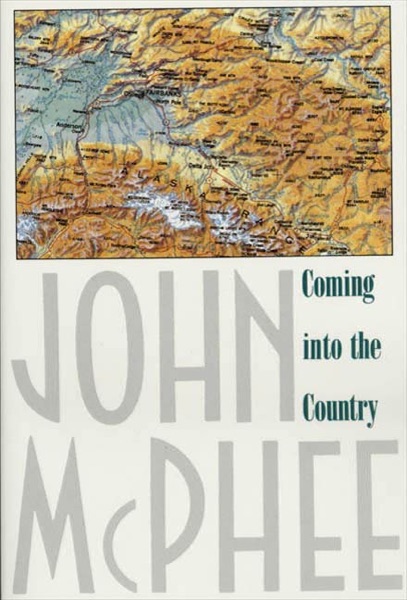
Reporting from Alaska in the 1970s, John McPhee follows disputes among conservationists, developers and settlers over the state's future. He joins an Arctic river expedition, accompanies a search for a new state-capital site, and visits Eagle and the surrounding Yukon country, where prospectors, bush residents and Native Alaskans describe their livelihoods and what they want protected from outsiders.
The three sections range from wilderness travel to political reporting and small-community life, building their portrait through encounters and extended conversations. Close descriptions of mining techniques and grizzly behavior invite the same attention as arguments over land and government. The reading is detailed and digressive, without a single continuous journey to carry it forward.
Collected’s assessment, not reader ratings. Complexity runs from 1 (least demanding) to 5 (most demanding).
Highly regarded
Somewhat. Detailed descriptions of mining techniques and grizzly behavior sit alongside arguments over land and government. The measured pace and digressions call for sustained attention, especially during extended conversations.
No. Three sections move between an Arctic river expedition, a search for a new state-capital site, and life in Eagle and the surrounding Yukon country. Encounters and extended conversations build the portrait across these settings.
Not really. McPhee’s reporting is reflective rather than practical, exploring wilderness, political disputes and community life in Alaska in the 1970s. Its focus is on people’s livelihoods and competing visions for the state’s future.
Politics and nature are closely connected: wilderness travel and descriptions of animal behavior share space with disputes among conservationists, developers and settlers. Land, government and what local people want protected from outsiders are central concerns.
448 pages in the Farrar, Straus and Giroux 1991 trade paperback edition.
Farrar, Straus and Giroux · 1991 · Trade Paperback. ISBN 9780374522872.
About 9 hours at 50 pages an hour, based on the 448-page Farrar, Straus and Giroux edition. Dense books can take longer.
John McPhee is an American writer and a pioneer of creative nonfiction whose career has joined patient reporting to literary construction. After beginning at Time, he formed a long association with The New Yorker, where much of the material in his books first appeared, and began teaching nonfiction writing at Princeton University in 1975. His subjects range unusually widely: geology, engineering, conservation, commerce, transportation, regional life, and specialized scientific work. What holds this varied body of work together is his method. McPhee spends time with people who possess deep practical knowledge, renders character and place precisely, and builds complex explanations through scenes and journeys. Annals of the Former World turns travel with geologists along Interstate 80 into a continental history, while The Control of Nature examines efforts to contain powerful natural systems. In Encounters with the Archdruid and Coming into the Country, competing ideas about wilderness, development, and settlement emerge through observed encounters rather than authorial display. His prose makes difficult or obscure subjects approachable without simplifying their substance.