About 8 h 15 min · at 30 minutes a day, about 17 days
Estimated from the page count of this edition. Dense books can take longer than the estimate.
About the book
In late-1980s Manhattan, wealthy investment banker Patrick Bateman competes with his colleagues over designer clothes, restaurant reservations, and appearances, among people who routinely mistake one another for someone else. His engagement to Evelyn offers little intimacy, and his account of dinners, shopping, and office life also includes torture and murder.
Reader notes
Obsessive brand inventories and extended discussions of pop musicians give the first-person narration a repetitive, deadpan rhythm. The literary satire draws dark humor from status anxiety and consumer culture, but it contains extremely graphic sexual violence and prolonged descriptions of cruelty; the social routine occupies as much attention as the killings.
How it reads
Writing style
Dense · Descriptive · Direct · Experimental
Tone
Dark · Detached · Satirical · Unsettling
Structure
Episodic · Fragmented
Driven by
Character · Ideas · Voice
Point of view
First person
Setting
Manhattan, New York City
Reading complexity
Writing
3 / 5
Ideas
4 / 5
Structure
4 / 5
Background knowledge
1 / 5
About this profile
Collected’s assessment, not reader ratings. Complexity runs from 1 (least demanding) to 5 (most demanding).
Writing
How much attention the sentences and language require.
Ideas
How much interpretation or abstract reasoning the book asks of you.
Structure
How much you need to keep track of speakers, timelines and connections.
Background knowledge
Prior knowledge needed to follow the book, beyond what it explains.
Emotional intensity
Emotional pressure, from gentle (1) to intense (5). Separate from difficulty.
Themes
Class
Crime and punishment
Gender
Identity
Mental health
Wealth
Content notes
Violence
Strong
Sexual content
Strong
Swearing
Strong
Substance use
Strong
Abuse
Strong
Self-harm or suicide
Mild
Standing and awards
Canonical
Larry McCaffery's 100 best 20th-century English-language fiction
Questions readers ask
Is it hard to read?
Somewhat. Patrick Bateman’s first-person narration has a repetitive, deadpan rhythm, with obsessive brand inventories and extended discussions of pop musicians. The fragmented, episodic structure adds difficulty, while the extremely graphic cruelty makes the emotional demands substantial.
How graphic is the violence?
Extremely graphic sexual violence and prolonged descriptions of cruelty are central, including torture and murder. Abuse, sexual content, strong language, and substance use are also strong, making the disturbing material a substantial part of the reading experience.
Is it a fast-paced horror story?
No. Dinners, shopping, and office life occupy as much attention as the killings, and the pace varies. The episodic narration dwells on designer clothes, restaurant reservations, and appearances alongside the torture and murder.
What is the satire aimed at?
Status anxiety and consumer culture drive the dark humor. Bateman and his colleagues compete over clothes, reservations, and appearances while routinely mistaking one another for someone else, connecting the social satire to questions of wealth, class, and identity.
How should I approach the repetitive passages?
Pay attention to the brand inventories and pop-music discussions as part of Bateman’s voice and the satire of consumer culture. Social routine receives as much attention as the killings, so the repetition is a central feature of the narration.
How long is it?
416 pages in the Vintage Books 1991 paperback edition.
Which edition is shown here?
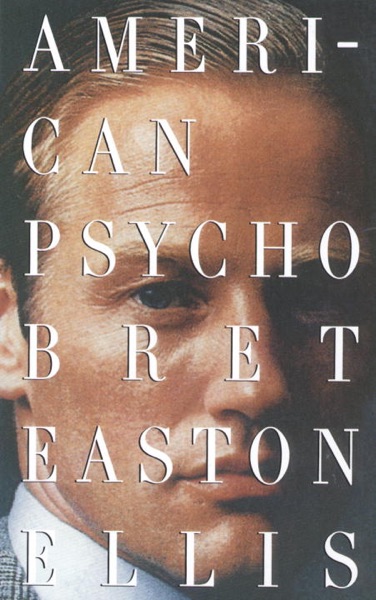
Vintage Books · 1991 · Paperback. ISBN 9780679735779.
How long does it take to read American Psycho?
About 8 hours 15 minutes at 50 pages an hour, based on the 416-page Vintage Books edition. Dense books can take longer.
About the author
Bret Easton Ellis
Bret Easton Ellis is an American novelist and screenwriter associated with the Literary Brat Pack. He became prominent at 21 with the controversial bestseller Less Than Zero, whose detached account of wealthy Los Angeles youth established his interest in privilege, alienation, and passive responses to brutality. Across novels that often share characters, Ellis uses affectless voices to place status goods, social rituals, sex, drugs, and violence on the same emotional plane. American Psycho pushed this method to its most extreme form through Patrick Bateman’s obsessive catalogues of consumption and murder; its violence and misogyny drew widespread condemnation on publication. In later work, Ellis increasingly made authorship, memory, and his public identity part of the fiction. Lunar Park casts a fictional version of him in a suburban family and apparent haunting, while The Shards returns to his Los Angeles adolescence through a retrospective narrator who blurs remembered experience with invention.