About 5 h 45 min · at 30 minutes a day, about 12 days
Estimated from the page count of this edition. Dense books can take longer than the estimate.
About the book
Sean wants Lauren, but Lauren is still waiting for Victor, who left for Europe months ago. Alongside Lauren’s ex-boyfriend Paul, they drift through Camden College, an affluent liberal arts school in 1980s New Hampshire, pursuing sex and affection between parties, drinks, and drugs. Their overlapping first-person narratives describe encounters that mean different things to each participant, leaving even apparent intimacy open to dispute.
Reader notes
The humor is bitter and the emotional atmosphere detached, despite the students’ romantic desperation. Short, shifting sections produce a fragmented campus satire that treats distress casually. Explicit sex, sexual assault, and suicide are part of the book’s bleak picture of college life.
Collected’s assessment, not reader ratings. Complexity runs from 1 (least demanding) to 5 (most demanding).
Writing
How much attention the sentences and language require.
Ideas
How much interpretation or abstract reasoning the book asks of you.
Structure
How much you need to keep track of speakers, timelines and connections.
Background knowledge
Prior knowledge needed to follow the book, beyond what it explains.
Emotional intensity
Emotional pressure, from gentle (1) to intense (5). Separate from difficulty.
Themes
Addiction
Belonging
Class
Isolation
Love
Sexuality
Content notes
Violence
Strong
Sexual content
Strong
Swearing
Strong
Substance use
Strong
Abuse
Strong
Self-harm or suicide
Strong
Questions readers ask
Is it hard to read?
Somewhat. The spare prose and short sections keep the pace brisk, but the fragmented, nonlinear structure and shifting first-person voices require attention. Shared encounters mean different things to different narrators, leaving apparent intimacy open to dispute.
Is it a romantic campus story?
Not really. Romantic desperation drives Sean, Lauren, and Paul, but the campus satire treats their pursuit of affection with bitter humor and emotional detachment. Parties, drinks, and drugs contribute to a bleak atmosphere rather than a comforting love story.
How explicit is the sex?
The content notes flag strong sexual content.
What disturbing content should I expect?
Sexual assault and suicide are central serious subjects, alongside explicit sex and strong substance use. The casual treatment of distress can feel chilling, especially within the emotionally detached account of college life.
What's the best way to approach the shifting narrators?
Pay attention to whose voice opens each short section and how their account differs from others’ descriptions of shared encounters. The overlapping perspectives leave intimacy open to dispute, so contradictions are part of the reading experience.
How long is it?
288 pages in the Vintage Contemporaries 1998 paperback edition.
Which edition is shown here?
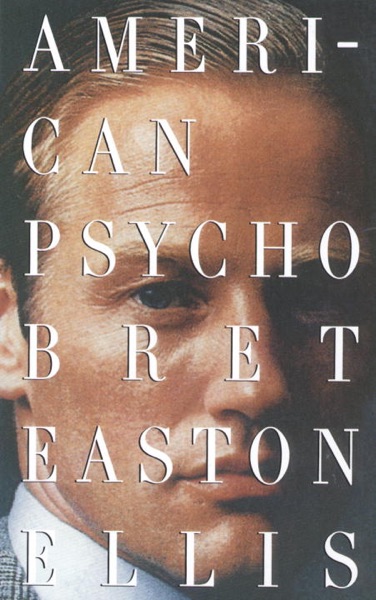
Vintage Contemporaries · 1998 · Paperback. ISBN 9780679781486.
How long does it take to read The Rules of Attraction?
About 5 hours 45 minutes at 50 pages an hour, based on the 288-page Vintage Contemporaries edition. Dense books can take longer.
About the author
Bret Easton Ellis
Bret Easton Ellis is an American novelist and screenwriter associated with the Literary Brat Pack. He became prominent at 21 with the controversial bestseller Less Than Zero, whose detached account of wealthy Los Angeles youth established his interest in privilege, alienation, and passive responses to brutality. Across novels that often share characters, Ellis uses affectless voices to place status goods, social rituals, sex, drugs, and violence on the same emotional plane. American Psycho pushed this method to its most extreme form through Patrick Bateman’s obsessive catalogues of consumption and murder; its violence and misogyny drew widespread condemnation on publication. In later work, Ellis increasingly made authorship, memory, and his public identity part of the fiction. Lunar Park casts a fictional version of him in a suburban family and apparent haunting, while The Shards returns to his Los Angeles adolescence through a retrospective narrator who blurs remembered experience with invention.