Is it hard to read?
No, the language is accessible, with direct, spare prose and a linear sequence of episodes. The greater challenge is emotional: Edward’s loneliness and repeated separations bring intense sadness.
 collected

Fiction · Novel · Fantasy · Adventure
About 4 h 45 min · at 30 minutes a day, about 10 days
Estimated from the page count of this edition. Dense books can take longer than the estimate.
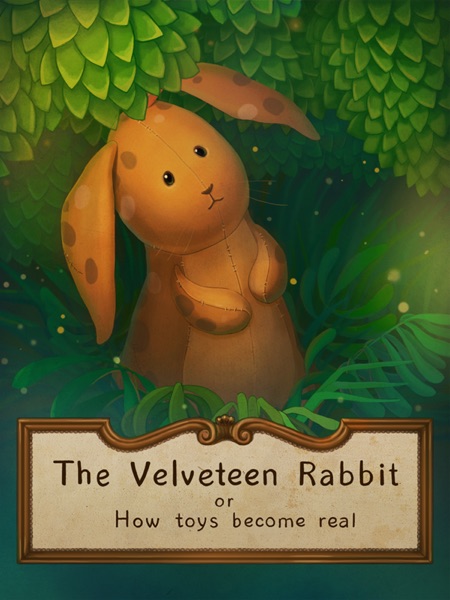
In a comfortable house on Egypt Street, Abilene Tulane treasures her china rabbit, Edward, who cares more about his fine clothes and appearance than about her affection. Lost overboard during an ocean voyage, he is hauled up by a fisherman and begins passing from one household to another, far from his former comforts. Unable to speak or move by himself, Edward can only listen and wait as strangers take charge of his fate.
An illustrated middle-grade fable, it combines an old-fashioned storytelling voice with occasional humor at Edward’s vanity. The language is accessible, but the sadness is intense: loneliness, illness and repeated separation matter as much as the adventure.
Collected’s assessment, not reader ratings. Complexity runs from 1 (least demanding) to 5 (most demanding).
Highly regarded
No, the language is accessible, with direct, spare prose and a linear sequence of episodes. The greater challenge is emotional: Edward’s loneliness and repeated separations bring intense sadness.
Not really, the adventure shares space with intense sadness, illness and separation. Occasional humor about Edward’s vanity and a warm, hopeful tone soften the melancholy.
The illustrated middle-grade fable suits someone looking for accessible fantasy centered on character and relationships. Its old-fashioned storytelling voice accompanies emotionally intense material about loneliness, love and loss.
Belonging, grief, love, mortality and transformation are central. Edward begins more concerned with his clothes and appearance than Abilene’s affection, then passes between households, dependent on strangers.
240 pages in the Candlewick 2015 paperback edition.
Candlewick · 2015 · paperback. ISBN 9780763680909.
About 4 hours 45 minutes at 50 pages an hour, based on the 240-page Candlewick edition. Dense books can take longer.
Kate DiCamillo writes children’s fiction that ranges from realistic family stories to fables, fantasy adventures, and comic farce. Her books often begin with a lonely child or an unlikely animal protagonist, then widen through encounters with other isolated characters. The prose is usually direct and spare, with conversational dialogue and moments of lyricism grounded in action. In Because of Winn-Dixie, a stray dog draws Opal into the private histories of her Florida neighbors, while her questions about her absent mother and withdrawn father give the growing community its emotional shape. The Tale of Despereaux uses intertwined character arcs, castle settings, and a narrator who addresses the reader to connect a mouse’s rescue quest with the resentments and hopes of a rat and a servant girl. Flora & Ulysses shifts into witty superhero logic, combining prose, illustrations, and comic-style sequences as a girl interprets a remarkable squirrel through the stories she loves. DiCamillo repeatedly returns to grief, loneliness, forgiveness, and friendship, building those concerns through brisk plots and concrete acts of attention, rescue, and care.