About 7 h 15 min · at 30 minutes a day, about 15 days
Estimated from the page count of this edition. Dense books can take longer than the estimate.
About the book
Temple Grandin’s livestock-handling designs are one example Robert Greene uses to explore how a particular interest can become expertise. He argues that mastery develops through sustained practice, apprenticeship, and increasingly independent judgment. Drawing on lives including Grandin’s, Charles Darwin’s, and Leonardo da Vinci’s, he examines choosing a vocation, finding mentors, navigating other people’s expectations, and progressing from established methods to original work.
Reader notes
Biographical narratives alternate with direct advice in a self-help book that ranges across art, science, and business. The guidance takes a long view of learning a craft: expect a framework for developing your abilities over years, with little instruction in the technical skills of any particular profession.
How it reads
Writing style
Descriptive · Direct · Essayistic
Tone
Cerebral · Earnest
Structure
Argumentative
Driven by
Argument · Ideas · Information
Evidence style
Case studies
Practical orientation
Actionable
Nonfiction form
Explanation synthesis · Prescriptive how to
Reading complexity
Writing
3 / 5
Ideas
3 / 5
Structure
3 / 5
Background knowledge
1 / 5
About this profile
Collected’s assessment, not reader ratings. Complexity runs from 1 (least demanding) to 5 (most demanding).
Writing
How much attention the sentences and language require.
Ideas
How much interpretation or abstract reasoning the book asks of you.
Structure
How much you need to keep track of speakers, timelines and connections.
Background knowledge
Prior knowledge needed to follow the book, beyond what it explains.
Emotional intensity
Emotional pressure, from gentle (1) to intense (5). Separate from difficulty.
Themes
Ambition
Art and creativity
Identity
Work
Content notes
Violence
None
Sexual content
None
Swearing
None
Substance use
None
Abuse
None
Self-harm or suicide
Mild
Questions readers ask
Who is it best suited to?
People looking for a long-term framework for developing a craft or choosing a vocation. Greene draws examples from art, science, and business to examine sustained practice, apprenticeship, mentors, and the development of independent judgment.
How practical is the advice?
The advice addresses choosing a vocation, finding mentors, navigating other people’s expectations, and moving toward original work. It offers a framework for developing abilities over years, with little instruction in the technical skills of a particular profession.
Is it hard to read?
Not really. No prerequisite knowledge is needed, and biographical narratives alternate with direct advice. The essayistic passages and measured pace call for attention to Greene’s argument about how expertise develops.
Is it mainly biography or self-help?
Self-help, with biographical narratives used to develop the argument. Greene draws on lives including Temple Grandin’s, Charles Darwin’s, and Leonardo da Vinci’s to explore how particular interests develop into expertise through practice, apprenticeship, and independent judgment.
How long is it?
368 pages in the Penguin Books 2013 paperback edition.
Which edition is shown here?
Penguin Books · 2013 · paperback. ISBN 9780143124177.
How long does it take to read Mastery?
About 7 hours 15 minutes at 50 pages an hour, based on the 368-page Penguin Books edition. Dense books can take longer.
About the author
Robert Greene
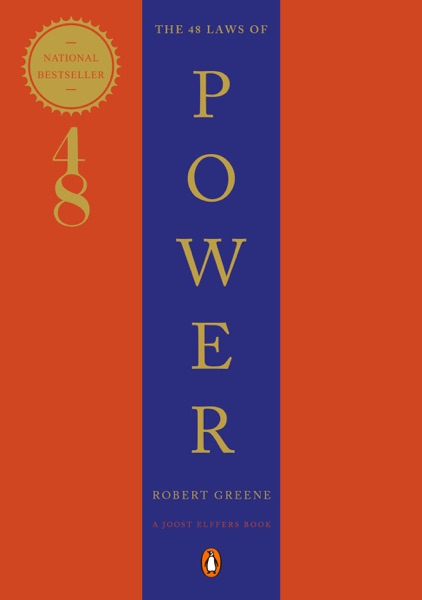
Robert Greene is an American author whose practical nonfiction examines power, strategy, persuasion, and the motives beneath social behavior. His first book, The 48 Laws of Power, was published in 1998 and introduced his characteristic method: dividing a broad subject into laws, types, or strategies, then using historical figures and events to show how a principle succeeds or fails. Greene treats influence as a set of patterns that readers can recognize, resist, or apply. His subjects range from reputation, concealment, and timing to attraction, conflict, vocation, and self-command, but his central concern is how ambition, perception, hidden motives, and social pressure shape conduct. Later books such as Mastery and The Laws of Human Nature extend this approach beyond tactical maneuvering to disciplined learning, empathy, self-control, and judgment.