Estimated from the page count of this edition. Dense books can take longer than the estimate.
About the book
Robert Greene presents power as a practice of managing appearances, concealing intentions, and understanding what other people want. Drawing on rulers, military leaders, and figures such as Henry Kissinger and P. T. Barnum, he sets out 48 rules for gaining influence and protecting it. His advice ranges from reassuring insecure superiors to choosing when to act boldly and preventing enemies from retaliating.
Reader notes
Organized law by law, this self-help and strategy manual alternates historical stories of successful and failed tactics with blunt, commanding instruction. It recommends deception and ruthless self-interest: it treats other people's behavior as something to read and direct, whether you adopt its tactics or study them defensively.
How it reads
Writing style
Descriptive · Direct · Essayistic
Tone
Cerebral · Dark · Detached
Structure
Reference
Driven by
Argument · Ideas · Information
Evidence style
Case studies
Practical orientation
Actionable
Nonfiction form
Explanation synthesis · Prescriptive how to
Reading complexity
Writing
3 / 5
Ideas
3 / 5
Structure
2 / 5
Background knowledge
1 / 5
About this profile
Collected’s assessment, not reader ratings. Complexity runs from 1 (least demanding) to 5 (most demanding).
Writing
How much attention the sentences and language require.
Ideas
How much interpretation or abstract reasoning the book asks of you.
Structure
How much you need to keep track of speakers, timelines and connections.
Background knowledge
Prior knowledge needed to follow the book, beyond what it explains.
Emotional intensity
Emotional pressure, from gentle (1) to intense (5). Separate from difficulty.
Themes
Ambition
Knowledge and truth
Morality
Power
Content notes
Violence
Mild
Sexual content
Mild
Swearing
None
Substance use
Mild
Abuse
Mild
Self-harm or suicide
Mild
Questions readers ask
How practical is the advice?
The advice is actionable and specific: reassure insecure superiors, conceal intentions, choose when to act boldly, and prevent enemies from retaliating. Historical examples of successful and failed tactics accompany blunt instructions for gaining and protecting influence.
Do I have to agree with its tactics to get something from it?
No, the tactics can also be studied defensively, as ways to recognize how others seek influence. Greene recommends deception and ruthless self-interest, treating other people's behavior as something to understand and direct.
Is it hard to read?
Not really, the direct prose and law-by-law organization make it approachable without prior knowledge. It alternates historical case studies with commanding advice, moving at a measured pace through ideas about appearances, intentions, and influence.
What kind of tone should I expect?
The tone is dark, detached, and cerebral, with blunt instructions about managing other people. Stories about rulers, military leaders, and figures such as P. T. Barnum support an approach centered on ambition and ruthless self-interest.
How long is it?
496 pages in the Penguin Books 2000 paperback edition.
Which edition is shown here?
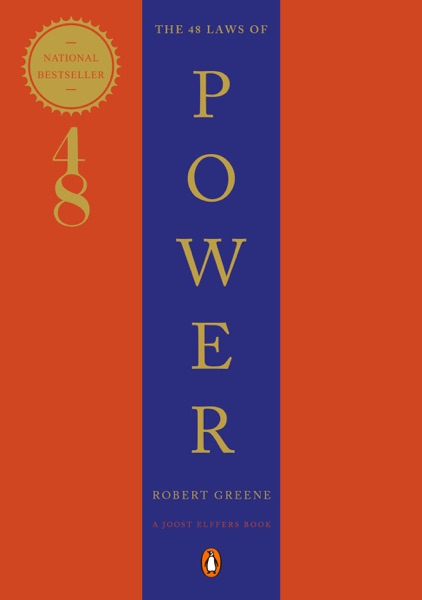
Penguin Books · 2000 · Paperback. ISBN 9780140280197.
How long does it take to read The 48 Laws of Power?
About 10 hours at 50 pages an hour, based on the 496-page Penguin Books edition. Dense books can take longer.
About the author
Robert Greene
Robert Greene is an American author whose practical nonfiction examines power, strategy, persuasion, and the motives beneath social behavior. His first book, The 48 Laws of Power, was published in 1998 and introduced his characteristic method: dividing a broad subject into laws, types, or strategies, then using historical figures and events to show how a principle succeeds or fails. Greene treats influence as a set of patterns that readers can recognize, resist, or apply. His subjects range from reputation, concealment, and timing to attraction, conflict, vocation, and self-command, but his central concern is how ambition, perception, hidden motives, and social pressure shape conduct. Later books such as Mastery and The Laws of Human Nature extend this approach beyond tactical maneuvering to disciplined learning, empathy, self-control, and judgment.