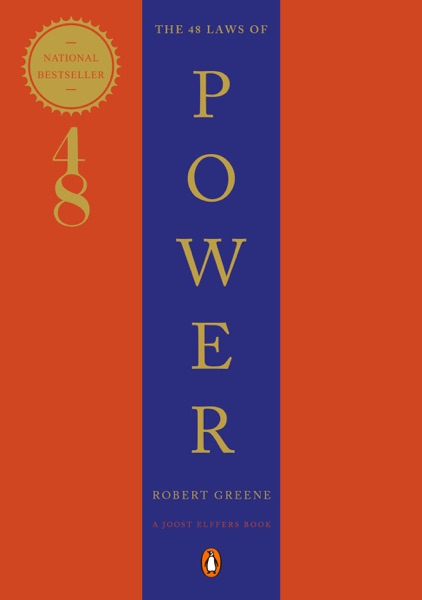
Is it hard to read?
Not really, though the measured pace and extended case studies call for some patience. Greene uses direct, essayistic prose, and no prior knowledge is needed to follow his explanations of recurring human motives.
 collected

Nonfiction · Psychology · Self-Help · Behavioral science
About 12 h 30 min · at 30 minutes a day, about 25 days
Estimated from the page count of this edition. Dense books can take longer than the estimate.
Howard Hughes’s compulsive behavior is one of Robert Greene’s case studies in the impulses people struggle to recognize in themselves. Across eighteen laws, Greene argues that understanding these patterns can improve judgment, relationships, and leadership. He examines envy, the need for admiration, conformity, and other recurring motives, using historical and biographical stories to explain how they operate and how to respond.
This self-help guide alternates extended stories with interpretations and practical instructions, in a direct, prescriptive voice. The historical lives serve as lessons to apply: Greene moves confidently from individual examples to broad rules about behavior, so much depends on whether you accept his readings of people’s motives.
Collected’s assessment, not reader ratings. Complexity runs from 1 (least demanding) to 5 (most demanding).
Not really, though the measured pace and extended case studies call for some patience. Greene uses direct, essayistic prose, and no prior knowledge is needed to follow his explanations of recurring human motives.
Greene pairs extended historical and biographical stories with interpretations and practical instructions aimed at improving judgment, relationships, and leadership. His approach is prescriptive, turning examples of people’s behavior into lessons to apply.
Greene uses case studies, research synthesis, and philosophical argument to explain recurring motives such as envy, conformity, and the need for admiration. He moves confidently from individual lives to broad rules, making his interpretations of those lives central to the argument.
It suits someone looking for popular psychology and personal development through historical stories and direct advice. The tone is cerebral, dark, and philosophical, with attention to motives people struggle to recognize in themselves.
About 624 pages in the Penguin Books 2019 edition.
Penguin Books · 2019 · paperback. ISBN 9780143111375.
About 12 hours 30 minutes at 50 pages an hour, based on the 624-page Penguin Books edition. Dense books can take longer.
Robert Greene is an American author whose practical nonfiction examines power, strategy, persuasion, and the motives beneath social behavior. His first book, The 48 Laws of Power, was published in 1998 and introduced his characteristic method: dividing a broad subject into laws, types, or strategies, then using historical figures and events to show how a principle succeeds or fails. Greene treats influence as a set of patterns that readers can recognize, resist, or apply. His subjects range from reputation, concealment, and timing to attraction, conflict, vocation, and self-command, but his central concern is how ambition, perception, hidden motives, and social pressure shape conduct. Later books such as Mastery and The Laws of Human Nature extend this approach beyond tactical maneuvering to disciplined learning, empathy, self-control, and judgment.


Stephen R. Covey
Self-Help · Psychology · Personal development

Ichirō Kishimi, Fumitake Koga
Psychology · Self-Help · Personal development