About 12 h 45 min · at 30 minutes a day, about 26 days
Estimated from the page count of this edition. Dense books can take longer than the estimate.
About the book
Napoleon Hill’s self-help course argues that personal and financial achievement can be cultivated through disciplined thought, deliberate habits and cooperation. Beginning with the “Master Mind,” his idea that people working in harmony can multiply their abilities, the lessons cover choosing a definite aim, saving money, taking initiative, controlling emotion and learning from failure. Business anecdotes accompany instructions for applying these principles to work and personal ambitions.
Reader notes
The teaching is direct, insistent and repetitive, asking you to study and practice its principles. Its assumptions about business and success belong to the early twentieth century, and practical advice sits alongside sweeping claims about the power of thought.
How it reads
Writing style
Direct · Essayistic
Tone
Earnest · Philosophical · Uplifting
Structure
Argumentative
Driven by
Ideas
Point of view
Second person
Evidence style
Case studies
Practical orientation
Actionable
Nonfiction form
Prescriptive how to
Reading complexity
Writing
3 / 5
Ideas
3 / 5
Structure
2 / 5
Background knowledge
1 / 5
About this profile
Collected’s assessment, not reader ratings. Complexity runs from 1 (least demanding) to 5 (most demanding).
Writing
How much attention the sentences and language require.
Ideas
How much interpretation or abstract reasoning the book asks of you.
Structure
How much you need to keep track of speakers, timelines and connections.
Background knowledge
Prior knowledge needed to follow the book, beyond what it explains.
Emotional intensity
Emotional pressure, from gentle (1) to intense (5). Separate from difficulty.
Themes
Ambition
Transformation
Wealth
Work
Content notes
Violence
None
Sexual content
None
Swearing
None
Substance use
None
Abuse
None
Self-harm or suicide
Mild
Questions readers ask
How practical is the advice?
The lessons give instructions for choosing a definite aim, saving money, taking initiative and learning from failure. Business anecdotes accompany the advice, though practical steps sit alongside sweeping claims about the power of thought.
Is it hard to read?
Not really. The prose is direct, and little prior knowledge is needed. The teaching is insistent and repetitive, so the challenge is sustained study and practice rather than untangling a complicated structure.
Do its ideas about success feel dated?
Yes. Its assumptions about business and success belong to the early twentieth century. Advice about disciplined habits and cooperation appears alongside sweeping claims about what thought can achieve.
Who is it best suited to?
It suits someone looking for an earnest, prescriptive course in personal development, focused on work, ambition and financial achievement. Its repeated instructions ask for active study and practice.
How long is it?
640 pages in the Jeremy P. Tarcher/Penguin 2008 paperback edition.
Which edition is shown here?
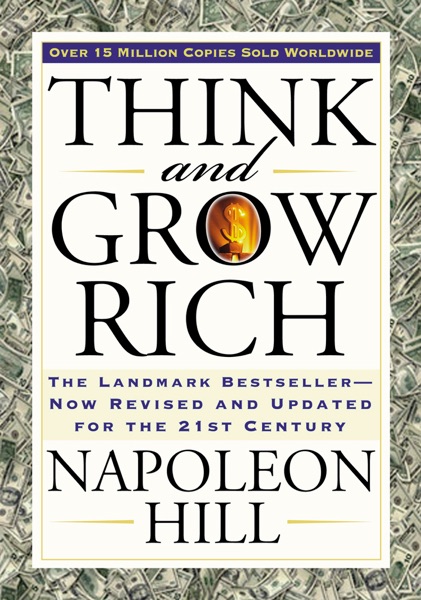
Jeremy P. Tarcher/Penguin · 2008 · Paperback. ISBN 9781585426898.
How long does it take to read The Law of Success?
About 12 hours 45 minutes at 50 pages an hour, based on the 640-page Jeremy P. Tarcher/Penguin edition. Dense books can take longer.
About the author
Napoleon Hill
Napoleon Hill was an American self-help writer who treated achievement as a method that could be learned, rehearsed, and applied. Influenced by New Thought, he joined mental discipline to an entrepreneurial vocabulary of goals, planning, specialized knowledge, cooperation, and persistence. His books usually proceed by classification. They divide success into named principles, illustrate them with prominent business figures, and return readers to exercises or repeated habits. Think and Grow Rich condenses this approach into fourteen principles, moving briskly from desire and precise aims to organized action and the “Master Mind” alliance. The Law of Success expands the same material into a denser course, using the “Temple of Success” to present its lessons as interdependent parts. Hill could also dramatize instruction through dialogue. Outwitting the Devil stages an interrogation of a personified adversary, making fear, indecision, and self-command into competing voices. Hill said his system grew from a challenge by Andrew Carnegie and interviews with successful people, though the Carnegie connection and many of Hill’s broader claims have been widely disputed.