
How long is it?
656 pages in the Random House 2000 hardcover edition.
 collected

Fiction · Novel · Literary Fiction · Historical Fiction
About 13 h · at 30 minutes a day, about 27 days
Estimated from the page count of this edition. Dense books can take longer than the estimate.
In 1939, Josef Kavalier escapes Nazi-occupied Prague and joins his cousin Sammy Klayman in Brooklyn. Joe’s drawing and Sammy’s storytelling find a market in comic books, where they invent the Escapist, a superhero whose battles channel Joe’s anger and fear for his family back home. Rosa Saks, an artist who enters both cousins’ lives, inspires their character Luna Moth.
Expansive and digressive, the literary historical novel follows their partnership and private lives through elaborate jokes, painful losses, invented footnotes and excursions into history. The storytelling takes frequent detours beyond the comic-book business; love is a major storyline, and some sexual scenes are explicit.
Collected’s assessment, not reader ratings. Complexity runs from 1 (least demanding) to 5 (most demanding).
Canonical
656 pages in the Random House 2000 hardcover edition.
Random House · 2000 · Hardcover. ISBN 9780679450047.
About 13 hours at 50 pages an hour, based on the 656-page Random House edition. Dense books can take longer.
Michael Chabon is an American novelist, short-story writer, essayist, screenwriter, and columnist whose career began with The Mysteries of Pittsburgh and has ranged from literary and historical fiction to noir, speculative mystery, and nonfiction about reading and writing. His novels often bring the machinery of popular genres into character-centered, stylistically ambitious fiction. The Amazing Adventures of Kavalier and Clay uses the superhero comic to examine artistic collaboration, exploitation, exile, and anti-fascism, while The Yiddish Policemen’s Union recasts detective fiction in an imagined Yiddish-speaking Alaska. Wonder Boys turns the blocked-writer novel into dark comedy, and Moonglow uses fictionalized memoir, fragmented chronology, and family testimony to explore the instability of inherited history. Across these books, Chabon returns to Jewish displacement, creative work, concealed family experience, and competing forms of belonging. His prose is typically descriptive, lyrical, and witty, shifting from conversational comedy to ornate historical narration. His nonfiction, including Bookends, extends his attention to literary influence and the practices of reading and writing.


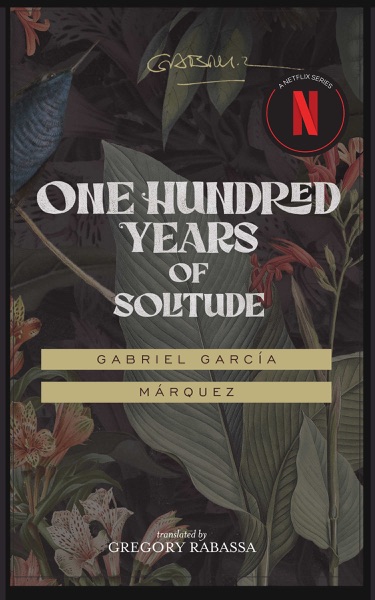
Gabriel García Márquez
Literary Fiction · Historical Fiction · Literary fiction


Junot Díaz
Literary Fiction · Historical Fiction · Literary fiction

The catalog does not yet include a matching edition. Details may differ between editions.