Writing style
Academic · Dense · Essayistic · Technical
 Apple Books
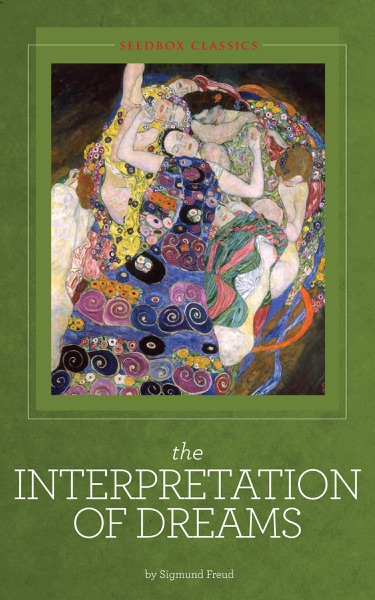
Sigmund Freud develops a theory of the unconscious by asking how dreams transform forbidden, painful, or unresolved wishes into images that can pass through the mind’s defenses. After reviewing earlier scientific explanations, he interprets literary examples, patient material, and many of his own dreams. Freud distinguishes the remembered surface of a dream from the latent thoughts beneath it, then describes processes such as condensation and displacement that disguise one as the other. These readings lead into broader claims about childhood desire, repression, symptoms, and ideas later associated with the Oedipus complex. Part casebook, part theoretical argument, the work presents dream interpretation as a method for tracing apparently irrational details back to the conflicts and associations that produced them.
Collected’s assessment, not reader ratings. Complexity runs from 1 (least demanding) to 5 (most demanding).
Academic · Dense · Essayistic · Technical
Slow
Cerebral · Detached · Earnest · Philosophical
Argumentative
Argument · Ideas · Information
3 / 5
For the print edition listed above.
Apple Books is a service mark of Apple Inc. iPhone is a trademark of Apple Inc., registered in the U.S. and other countries.