Writing style
Academic · Dense · Essayistic

 Apple Books
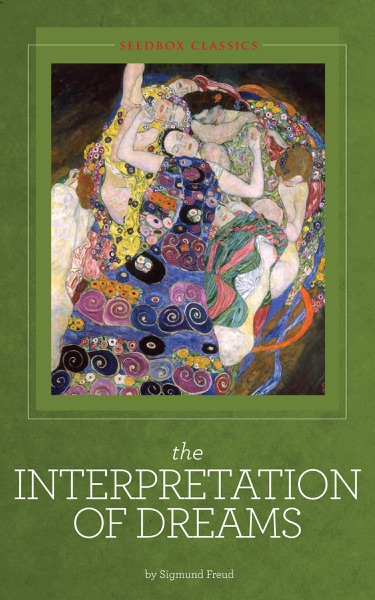
Dream Psychology introduces Sigmund Freud’s claim that dreams provide access to unconscious mental processes rather than merely presenting random images. He distinguishes the dream as remembered from the concealed wishes and conflicts that interpretation seeks beneath it, then explains how symbolism, condensation, displacement, and psychological censorship transform those underlying materials. Through examples and interpretive procedures, Freud treats dreams as individual constructions shaped by memory, desire, and resistance, not as puzzles solved by a fixed dictionary of symbols. First issued in German at the turn of the twentieth century, the work offers a compact entry into psychoanalytic thinking and its central proposition that apparently irrational experiences can possess an intelligible emotional logic.
Collected’s assessment, not reader ratings. Complexity runs from 1 (least demanding) to 5 (most demanding).
Academic · Dense · Essayistic
Measured
Cerebral · Earnest · Philosophical
Argumentative
Argument · Ideas
2 / 5
For the print edition listed above.
Apple Books is a service mark of Apple Inc. iPhone is a trademark of Apple Inc., registered in the U.S. and other countries.