Is it hard to follow?
Somewhat. The prose is direct, but three women’s dated first-person accounts move back and forth in time. Their competing perceptions, along with Rachel’s gaps in memory, make the structure more demanding than the language.
 collected
Fiction · Novel · Mystery & Thriller · Mystery and thriller
About 6 h 45 min · at 30 minutes a day, about 14 days
Estimated from the page count of this edition. Dense books can take longer than the estimate.
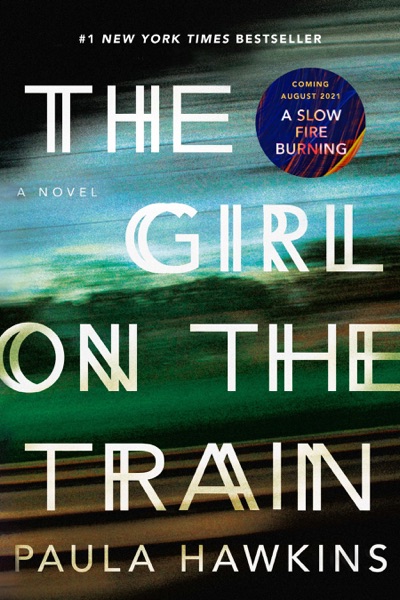
On her daily train journeys into London, Rachel Watson watches a couple whose apparently perfect marriage recalls the life she lost after her divorce. She calls them Jess and Jason, inventing their happiness as she passes their house near her former home. When she sees something that contradicts her imagined picture, she approaches the police, but her heavy drinking and gaps in memory undermine her account.
The psychological thriller moves back and forth in time through three women's dated first-person accounts, keeping their perceptions in uneasy competition. The mood is suspicious and claustrophobic, with sustained attention to addiction, emotional abuse, and domestic violence. Rachel makes repeated mistakes.
Collected’s assessment, not reader ratings. Complexity runs from 1 (least demanding) to 5 (most demanding).
Somewhat. The prose is direct, but three women’s dated first-person accounts move back and forth in time. Their competing perceptions, along with Rachel’s gaps in memory, make the structure more demanding than the language.
The pace is brisk, with a mystery shaped by Rachel’s observations and unreliable memory. The atmosphere stays suspicious and claustrophobic, with considerable attention to the women’s perceptions and domestic lives.
Strong abuse, violence, and substance use are central concerns, including emotional abuse, domestic violence, and Rachel’s heavy drinking. Addiction receives sustained attention, and strong language is also present.
No. Rachel’s repeated mistakes can be frustrating to follow, and her heavy drinking and memory gaps undermine her account. The mystery asks you to weigh her perceptions alongside those of two other women.
336 pages in the Riverhead Books 2016 paperback edition.
Riverhead Books · 2016 · Paperback. ISBN 9781594634024.
About 6 hours 45 minutes at 50 pages an hour, based on the 336-page Riverhead Books edition. Dense books can take longer.
Paula Hawkins is a Zimbabwean-British writer whose career moved from business journalism at The Times and freelance work into psychological suspense. She is best known for The Girl on the Train, a top-selling thriller later adapted into a film starring Emily Blunt. Its alcoholic, unemployed protagonist exemplifies Hawkins’s interest in compromised witnesses: women whose perceptions are clouded by trauma, dependency, anger, or the judgments of others. Across Into the Water and A Slow Fire Burning, she places intimate histories of estrangement, grief, and resentment inside tightly constructed murder mysteries. Her novels are character-led and atmospheric, often distributing suspicion among several damaged figures while allowing withheld information and competing accounts to unsettle the apparent facts. The prose tends to be direct and fragmentary, serving plots in which observation is never quite the same as understanding. Hawkins’s distinctive territory is the unstable border between private distress and public accusation, especially when a woman’s credibility becomes part of the mystery itself.


Alex Michaelides
Mystery & Thriller · Mystery and thriller · Psychological thriller


Freida McFadden
Mystery & Thriller · Mystery and thriller · Domestic thriller