About 7 h 15 min · at 30 minutes a day, about 15 days
Estimated from the page count of this edition. Dense books can take longer than the estimate.
About the book
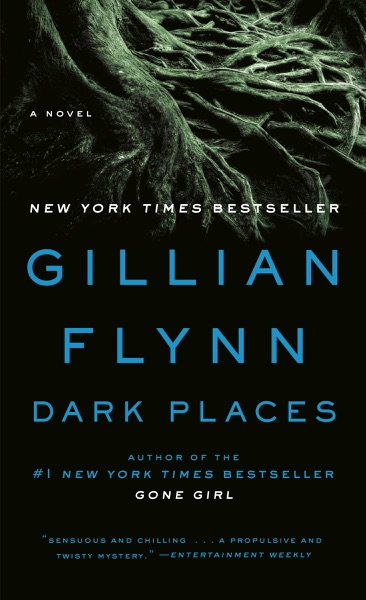
Libby Day was seven when her mother and two sisters were murdered at their Kansas farmhouse in 1985, and her testimony helped send her teenage brother, Ben, to prison. Now the donations that have supported her are running out. When the Kill Club, a group of true-crime enthusiasts convinced of Ben’s innocence, offers to pay her to revisit the case, she begins contacting people she has avoided for years.
Reader notes
Libby’s abrasive, darkly funny narration alternates with chapters following Ben and their mother, Patty, through the day before the murders. The crime thriller is bleak and frequently graphic, confronting family violence, lasting psychological damage and suicide.
How it reads
Writing style
Atmospheric · Direct · Witty
Tone
Dark · Suspenseful · Tense · Unsettling
Structure
Braided · Dual timeline
Driven by
Character · Mystery · Plot
Point of view
Mixed viewpoints · Multiple viewpoints
Setting
Rural Kansas
Reading complexity
Writing
3 / 5
Ideas
3 / 5
Structure
4 / 5
Background knowledge
1 / 5
About this profile
Collected’s assessment, not reader ratings. Complexity runs from 1 (least demanding) to 5 (most demanding).
Writing
How much attention the sentences and language require.
Ideas
How much interpretation or abstract reasoning the book asks of you.
Structure
How much you need to keep track of speakers, timelines and connections.
Background knowledge
Prior knowledge needed to follow the book, beyond what it explains.
Emotional intensity
Emotional pressure, from gentle (1) to intense (5). Separate from difficulty.
Themes
Class
Crime and punishment
Family
Guilt
Knowledge and truth
Trauma
Content notes
Violence
Strong
Sexual content
Mild
Swearing
Strong
Substance use
Strong
Abuse
Mild
Self-harm or suicide
Strong
Questions readers ask
Is it hard to follow?
Somewhat. The braided, dual timeline alternates Libby’s narration with chapters following Ben and their mother, Patty, through the day before the murders. The prose is direct and the pace brisk, but the shifts in viewpoint and time require attention.
How dark and graphic does it get?
Strong, frequently graphic violence and suicide are central concerns, alongside family violence and lasting psychological damage. The story begins with the murder of Libby’s mother and two sisters; strong language and substance use also feature.
What is Libby like as a narrator?
Libby’s narration is abrasive and darkly funny, giving the bleak investigation a sharp, witty voice. Her return to the case involves contacting people she has avoided for years after her testimony helped send her teenage brother to prison.
Is the focus on the mystery or the characters?
Both the investigation and the family’s psychological damage matter. The Kill Club’s belief in Ben’s innocence prompts Libby to revisit the murders, while the alternating perspectives bring family, guilt, trauma and questions of truth into the mystery.
How long is it?
About 368 pages in the Broadway Books 2010 edition. The pace is brisk, with alternating viewpoints and two timelines carrying the investigation.
Which edition is shown here?
Crown · 2010 · Paperback. ISBN 9780307341570.
How long does it take to read Dark Places?
About 7 hours 15 minutes at 50 pages an hour, based on the 368-page Crown edition. Dense books can take longer.
About the author
Gillian Flynn
Gillian Flynn writes psychological crime fiction built around compromised narrators, damaged families, and the stories people construct to control how others see them. Her years as a feature writer at Entertainment Weekly helped instill a disciplined, economical approach, visible in prose that is direct, darkly witty, and alert to revealing detail. She often lets structure do the work of suspicion. Gone Girl alternates between incompatible accounts of a marriage, using diaries, evasions, and sharp reversals to keep both character and evidence unstable. Sharp Objects ties a murder investigation to reporter Camille Preaker’s return to an estranged household, so that reporting, memory, and bodily vulnerability converge without separating the crime from family history. In Dark Places, a present-day inquiry is intercut with several perspectives from the past, gradually revising the testimony that condemned a teenage boy. Flynn’s women can be abrasive, manipulative, wounded, or cruel, and she resists making moral ambiguity more palatable. Even the haunted-house novella The Grownup turns on performance and credibility, with a con artist navigating competing explanations that may themselves be traps.