
Is it hard to read?
Yes, the dense, technical prose and detailed company comparisons require patient reading. Historical market examples add to the effort, while Jason Zweig’s commentary explains the principles through later examples.
 collected

Nonfiction · Business & Economics · Business and economics · Personal finance
About 12 h 45 min · at 30 minutes a day, about 26 days
Estimated from the page count of this edition. Dense books can take longer than the estimate.
Benjamin Graham’s investing guide argues that protecting capital begins with distinguishing a business’s value from its stock price and investing from speculation. He explains how to choose stocks and bonds, manage a portfolio, and resist decisions driven by market excitement or fear. His central principle, the “margin of safety,” calls for buying at a price low enough to leave room for errors in judgment.
Graham’s detailed company comparisons and historical market examples require patient reading, and many particulars belong to an earlier financial era. Jason Zweig’s commentary follows each chapter, explaining the principles through later examples and giving the book two distinct voices.
Collected’s assessment, not reader ratings. Complexity runs from 1 (least demanding) to 5 (most demanding).
Yes, the dense, technical prose and detailed company comparisons require patient reading. Historical market examples add to the effort, while Jason Zweig’s commentary explains the principles through later examples.
Graham explains how to choose stocks and bonds, manage a portfolio, and resist decisions driven by market excitement or fear. His guidance centers on protecting capital and buying with room for errors in judgment.
Yes, the historical examples illustrate Graham’s distinction between business value and stock price, though many particulars belong to an earlier financial era. Zweig’s commentary follows each chapter and connects the principles to later examples.
Protecting capital starts with distinguishing investing from speculation and a business’s value from its stock price. Graham’s “margin of safety” means buying at a price low enough to leave room for errors in judgment.
640 pages in the HarperBusiness Essentials 2003 paperback edition.
HarperBusiness Essentials · 2003 · Paperback. ISBN 9780060555665.
About 12 hours 45 minutes at 50 pages an hour, based on the 640-page HarperBusiness Essentials edition. Dense books can take longer.
Benjamin Graham was an economist, financial analyst, investor, and teacher whose writing established much of the intellectual framework of value investing. He treats investment as a discipline of independent judgment: estimate the worth of an underlying business, compare it with the market price, and preserve a margin of safety against error. His books combine dense explanation with case-based analysis, moving deliberately from accounting evidence and valuation principles to the habits needed to resist speculation and market excitement. Security Analysis, written with David Dodd, supplies the more technical foundation, while The Intelligent Investor recasts the method for individual readers through distinctions between investors and speculators and close attention to market psychology. The early pieces collected in Benjamin Graham on Investing show the same ideas being worked out amid inflation, changing interest rates, and unstable markets. Graham’s prose is systematic and instructional, using repeated comparisons and concrete financial conditions to turn emotional detachment from a personal virtue into a practical method of decision-making.


Peter Thiel, Blake Masters
Business & Economics · Business and economics · Knowledge and truth
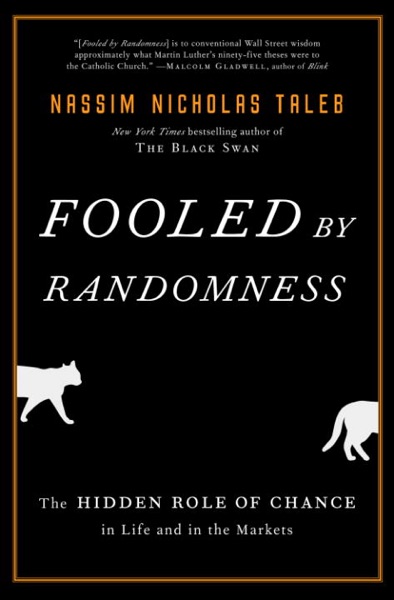
Nassim Nicholas Taleb
Business & Economics · Business and economics · Knowledge and truth

John J. Murphy
Business & Economics · Business and economics · Wealth

Robert J. Gordon
Business & Economics · Business and economics · Wealth

Charles T. Munger
Business & Economics · Business and economics · Knowledge and truth


Richard I. Levin, David S. Rubin
Business & Economics · Business and economics · Knowledge and truth