Writing style
Descriptive · Essayistic · Ornate
 Apple Books
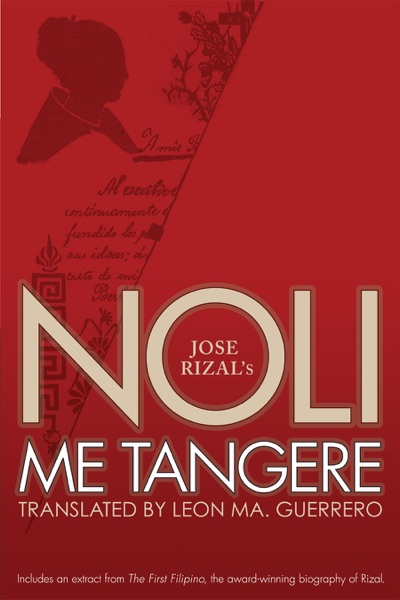
After seven years of study in Europe, Crisóstomo Ibarra returns to the Spanish colonial Philippines hoping to reenter the society he left behind. At a reunion in Manila, he encounters the immediate hostility of Padre Dámaso, the former parish priest of his hometown, San Diego. Their conflict draws Ibarra into a social order in which government and church authority reinforce unequal treatment, suppress intellectual life, and resist reform. Around his homecoming, the novel develops a broad portrait of people shaped by colonial power and by their different accommodations to it. Its title presents society as afflicted and painfully unable to face its own exploitation, joining Ibarra’s personal disillusionment to a political indictment of institutions that turn fear, hierarchy, and ignorance against the possibility of progress.
Collected’s assessment, not reader ratings. Complexity runs from 1 (least demanding) to 5 (most demanding).
Descriptive · Essayistic · Ornate
Measured
Dark · Earnest · Melancholic · Satirical
Linear
Character · Ideas · World
4 / 5
For the print edition listed above.
Apple Books is a service mark of Apple Inc. iPhone is a trademark of Apple Inc., registered in the U.S. and other countries.