Writing style
Academic · Dense
 Apple Books
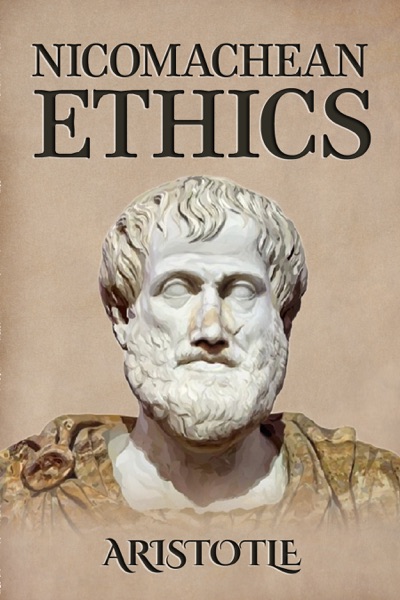
Across ten books, Aristotle asks what constitutes the good life and how human beings can learn to live it. His inquiry is practical rather than merely definitional: ethical understanding matters because it should guide action. He examines happiness as the aim of life, virtue as a habit formed through repeated choices, and the mean between excess and deficiency. Discussions of voluntary action, responsibility, friendship, pleasure, and contemplation show how character develops within relationships and communities. Aristotle also distinguishes personal ethics from politics, which concerns the good of the wider society. The work offers a systematic account of flourishing grounded in conduct and judgment, and its enduring focus on cultivated character continues to shape modern virtue ethics.
Collected’s assessment, not reader ratings. Complexity runs from 1 (least demanding) to 5 (most demanding).
Academic · Dense
Slow
Cerebral · Detached · Earnest · Philosophical
Argumentative
Argument · Ideas
1 / 5
For the print edition listed above.
Apple Books is a service mark of Apple Inc. iPhone is a trademark of Apple Inc., registered in the U.S. and other countries.